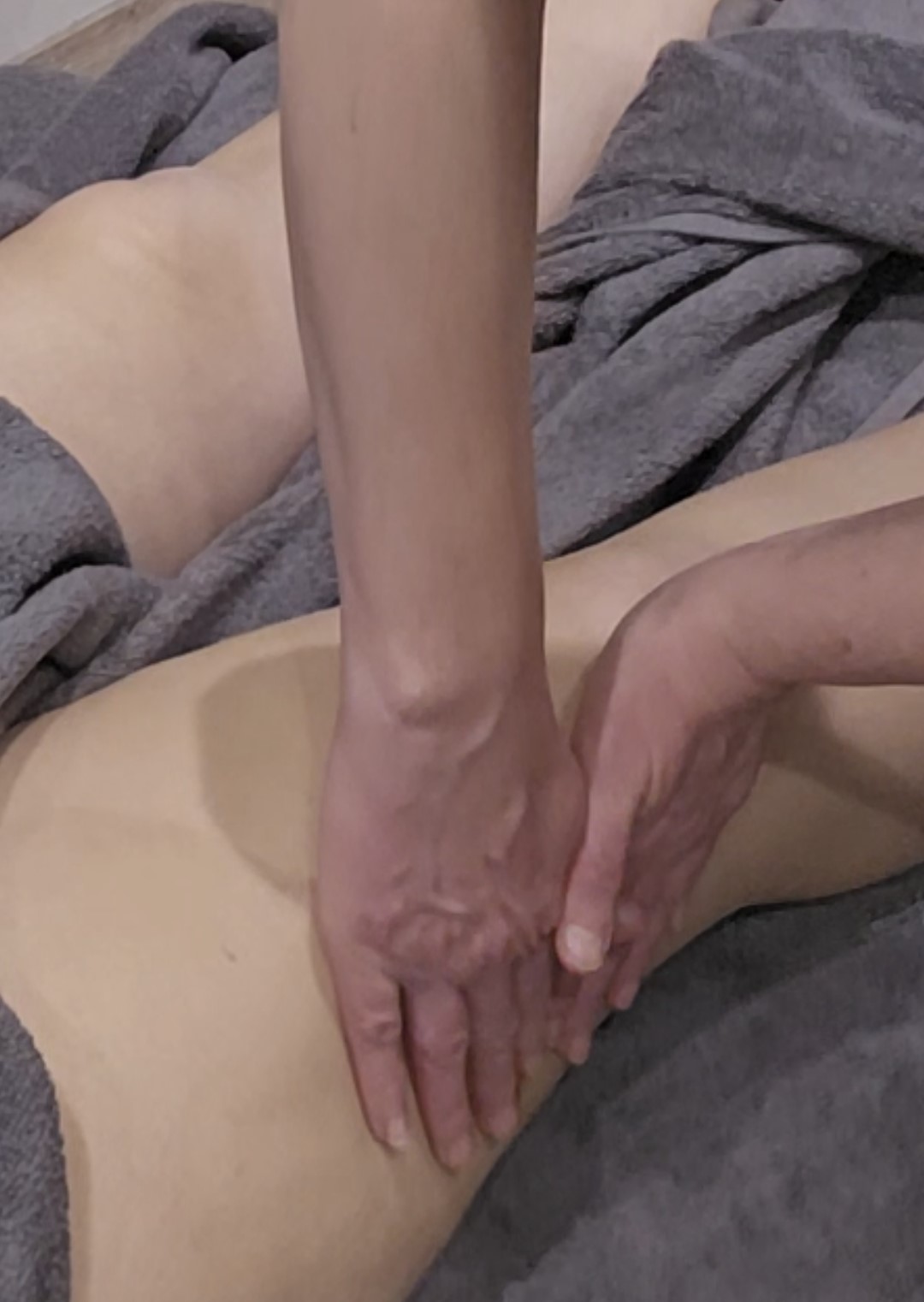
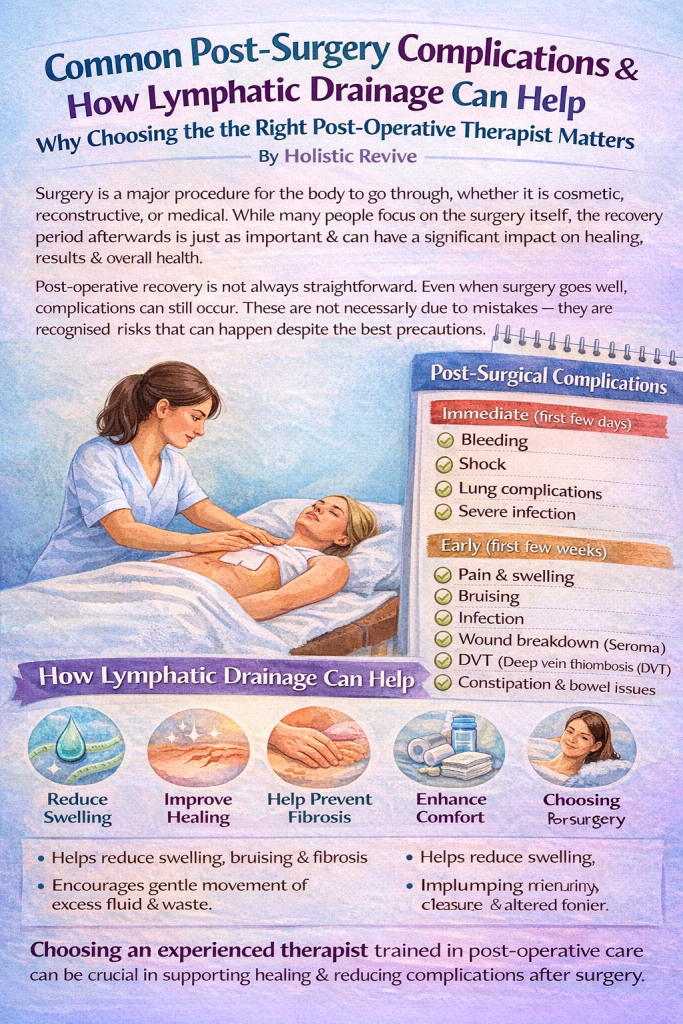
Common Post-Surgery Complications & How Lymphatic Drainage Can Help
Why Choosing the Right Post-Operative Therapist Matters
By Holistic Revive
Surgery is a major procedure for the body to go through, whether it is cosmetic, reconstructive, or medical. While many people focus on the surgery itself, the recovery period afterwards is just as important & can have a significant impact on healing, results & overall health.
Post-operative recovery is not always straightforward. Even when surgery goes well, complications can still occur. These are not necessarily due to mistakes — they are recognised risks that can happen despite the best precautions.
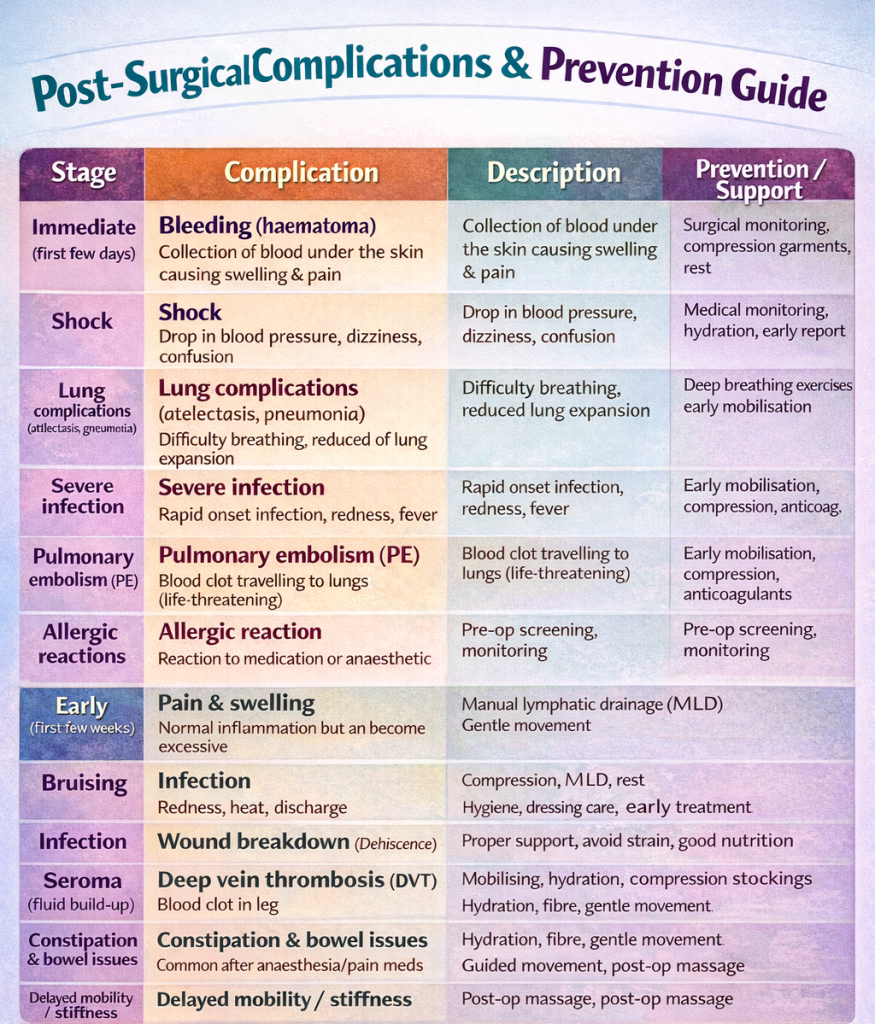
Common Post-Operative Complications
Complications can occur at different stages after surgery:
Immediate (first few days):
Bleeding
Shock
Lung complications
Severe infection
Pulmonary embolism (PE)
Early (first few weeks):
Pain & swelling
Bruising
Infection
Wound breakdown
Seroma (fluid build-up)
Deep vein thrombosis (DVT)
Constipation & bowel issues
Late (weeks to months later):
Scar tissue & fibrosis
Incisional hernia
Persistent swelling
Numbness or nerve sensitivity
Delayed wound healing
Many people are surprised to learn that swelling, fluid build-up, fibrosis & infection are some of the most common issues after surgery, particularly after cosmetic procedures such as liposuction, tummy tucks & facelifts. Most of my clients say their initial reaction to a cosmetic procedure was, "What have I done?"
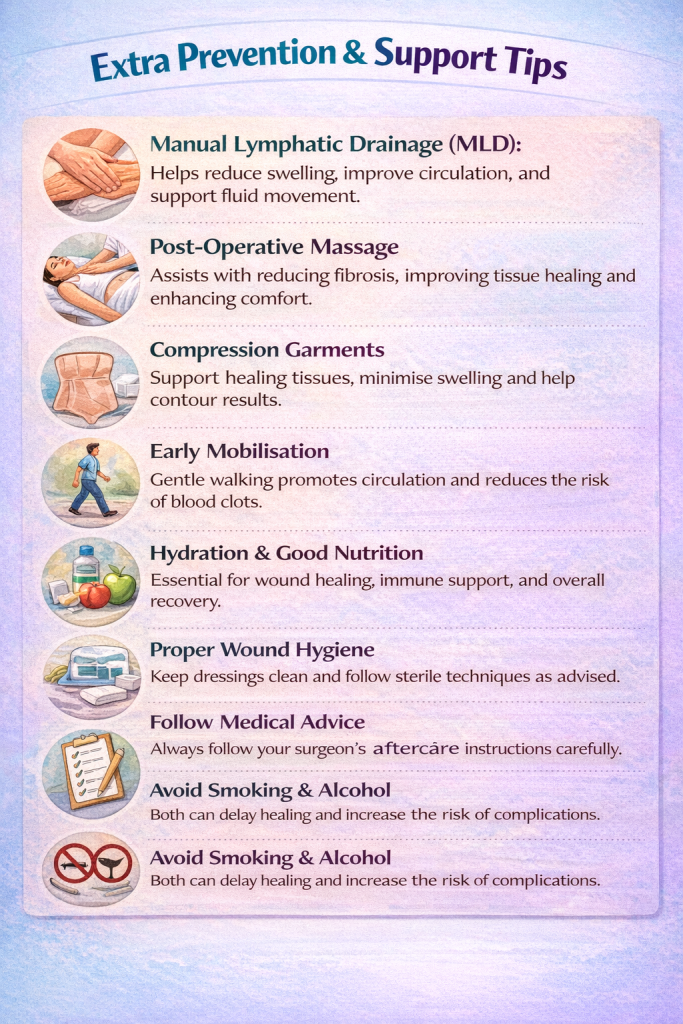
Extra Prevention & Support Tips
- Manual Lymphatic Drainage (MLD):
Helps reduce swelling, improve circulation & support fluid movement. - Post-Operative Massage:
Assists with reducing fibrosis, improving tissue healing & enhancing comfort. - Compression Garments:
Support healing tissues, minimise swelling & help contour results. - Early Mobilisation:
Gentle walking promotes circulation & reduces the risk of blood clots. - Hydration & Good Nutrition:
Essential for wound healing, immune support & overall recovery. - Proper Wound Hygiene:
Keep dressings clean & follow sterile techniques as advised. - Follow Medical Advice:
Always follow your surgeon’s aftercare instructions carefully. - Avoid Smoking & Alcohol:
Both can delay healing & increase the risk of complications.
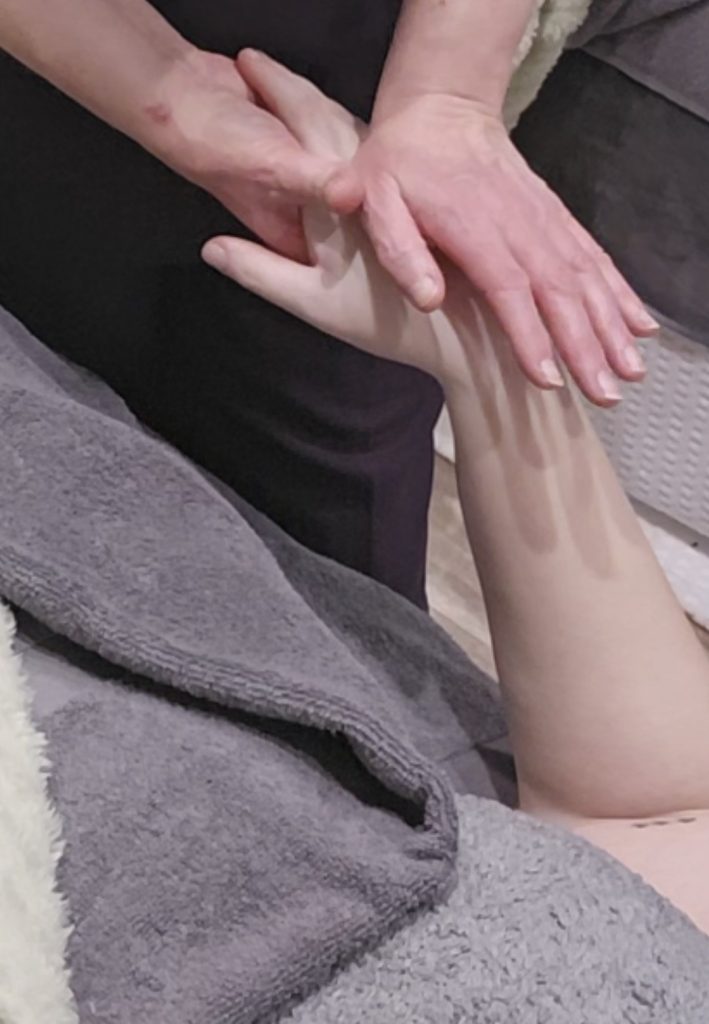
How Manual Lymphatic Drainage Can Help
Manual Lymphatic Drainage (MLD) is a very gentle, specialised treatment designed to encourage the movement of lymph fluid around the body. After surgery, the lymphatic system can become sluggish or overwhelmed, which is why swelling & fluid retention occur.
Post-operative MLD can help:
Reduce swelling & fluid retention
Reduce bruising
Encourage healing
Help prevent fibrosis (hard, lumpy tissue)
Support the immune system
Improve scar healing
Reduce discomfort & tightness
Support the body’s natural healing process
It is important to understand that post-operative massage is not deep tissue massage — it must be gentle, slow & performed correctly to avoid damaging healing tissue.
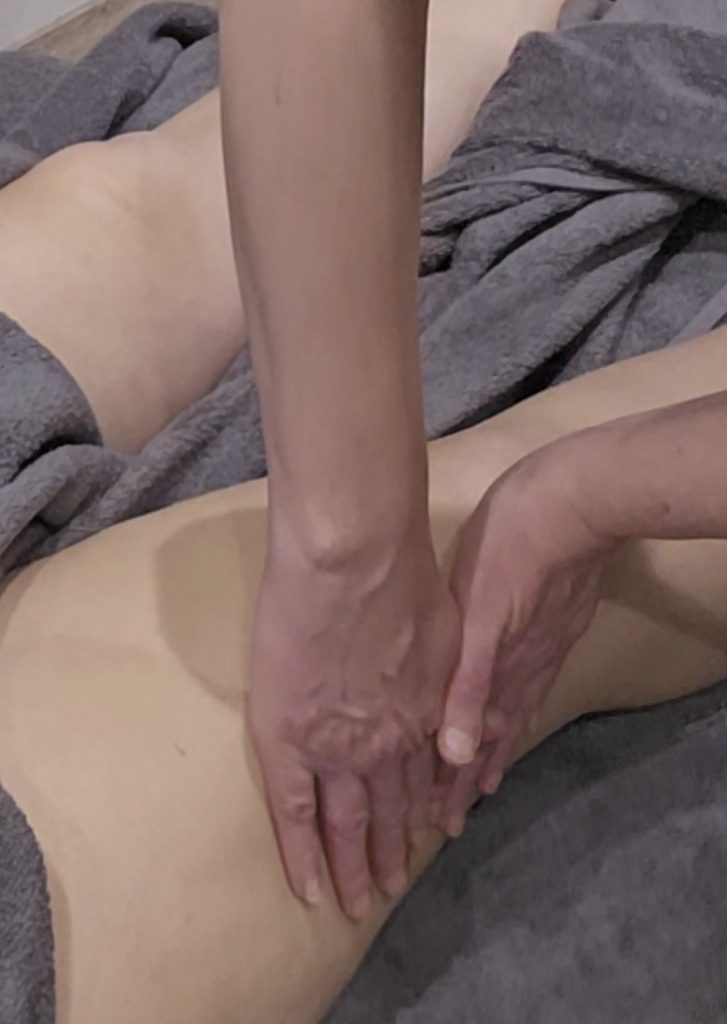
What Is A Seroma?
A seroma is a collection of fluid that builds up under the skin after surgery. It is very common after procedures such as:
Tummy tuck
Liposuction
Arm lift
Thigh lift
Back lift
Breast surgery
Seromas can feel like:
A soft swelling
A fluid-filled pocket
Sloshing sensation
Increased swelling on one side
Tight or uncomfortable skin
Small seromas are often reabsorbed by the body over time, especially with the help of compression garments & Manual Lymphatic Drainage. However, larger seromas may need to be drained by a doctor or nurse using a needle.
If a seroma is not treated when necessary, it can sometimes lead to:
Infection
Delayed healing
Fibrosis (hard tissue)
Poor cosmetic result
This is why it is important to monitor swelling & fluid build-up after surgery & refer to a GP or surgeon if needed.
What if you can't travel to have your post-operative care?
After surgery, people often:
Can’t drive
Can’t stand fully upright (tummy tuck)
Are in pain
Are tired
Are at higher risk of DVT if they don’t move
Miss appointments because they can’t get there
So mobile treatments are not just convenient — they can be part of safer recovery.
Some clients choose mobile post-operative appointments, particularly in the early stages of recovery when mobility is limited. This can be helpful for clients who are unable to drive, are in discomfort, or have been advised to rest & limit movement in the early stages of healing.
Why Experience & Medical Knowledge Can Matter
Recently, a client contacted me who had their post-op treatment booked in & was worried about their surgical wound & dressing. They weren’t sure what was normal & what wasn’t & after sending a photo & getting my advice, attended A&E & was diagnosed with an abscess that required medical treatment.
Situations like this are exactly why choosing a therapist with post-operative training & medical knowledge can be important. It’s not just about the massage — it’s about:
Recognising signs of infection
Understanding wound healing
Knowing when swelling is normal & when it isn’t
Knowing when to treat & when not to treat
Knowing when to refer back to a surgeon or GP
Post-operative care should always be a collaboration between your surgeon, nurse/medical professional & post-operative therapist.
Post-operative Manual Lymphatic Drainage is a specialised treatment & should only be performed by a therapist who is specifically trained in post-operative care & lymphatic drainage techniques.
The most important thing is not whether a therapist is a nurse, physiotherapist, or massage therapist, but that they are properly trained, insured & experienced in post-operative recovery & understand when treatment is appropriate & when medical referral is necessary.
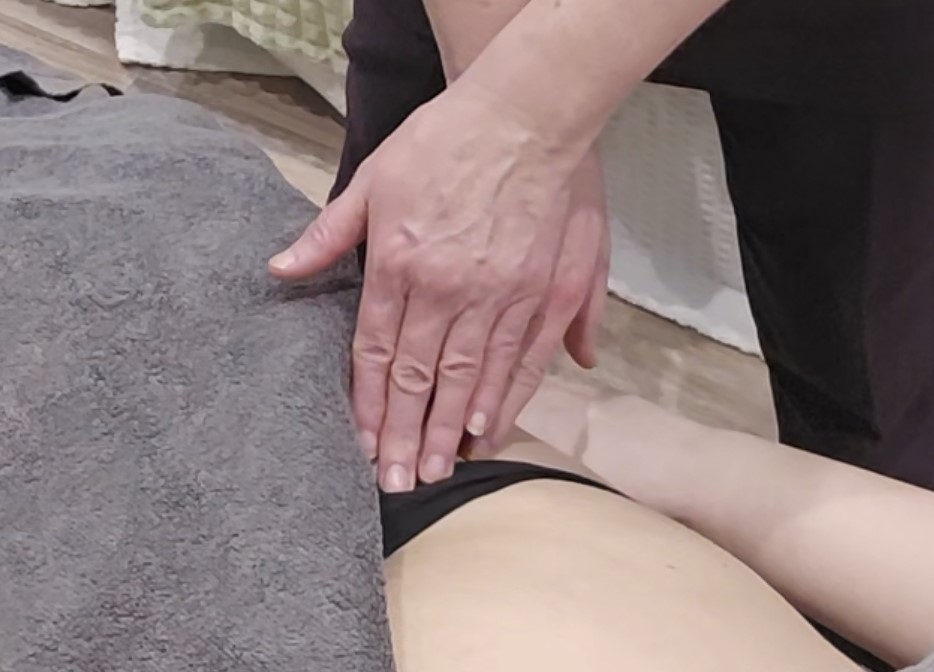
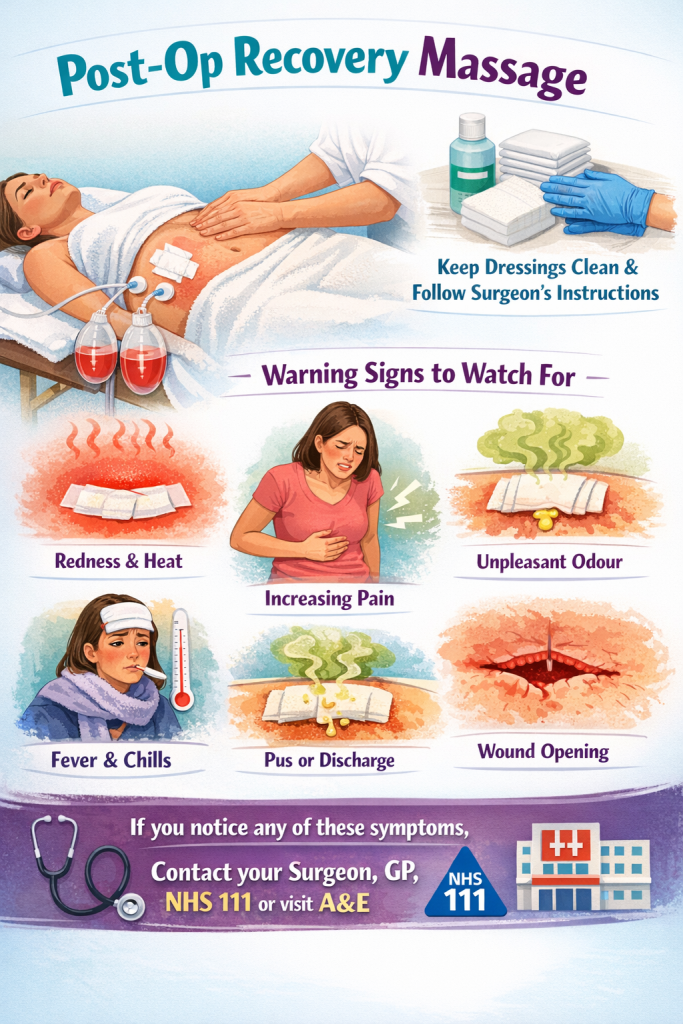
Caring for Surgical Dressings & Drains After Surgery
After some surgeries, particularly tummy tucks, liposuction & body contouring procedures, drains may be left in place to remove excess fluid & help prevent seromas & infection.
It is important that dressings are kept clean and changed using clean hands & as sterile a technique as possible. Always follow your surgeon’s instructions regarding dressings & drains.
Signs that a wound may need medical attention include:
Redness spreading from the wound
Heat around the area
Increasing pain
Unusual or unpleasant odour
Pus or unusual discharge
Fever or feeling unwell
The wound opening
If you experience any of these symptoms, you should contact your surgeon, GP, NHS 111, or attend A&E.
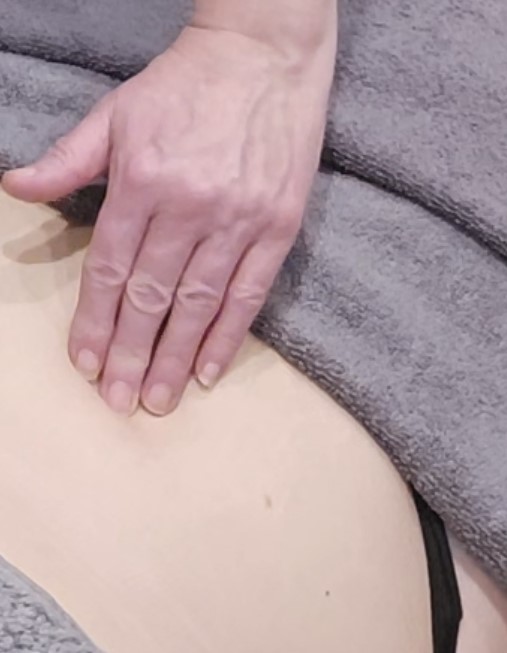
When Can I Start Manual Lymphatic Drainage After Surgery?
This depends on your surgery & your surgeon’s advice, but many clients start Manual Lymphatic Drainage between 3 days & 2 weeks post-surgery, once medical clearance has been given.
In very early stages, treatment is extremely gentle & focuses on encouraging lymph flow & reducing swelling, not on deep massage or sculpting.
My Approach to manual lymphatic drainage & post-op massage at Holistic Revive in Wigan, Greater Manchester
At Holistic Revive, post-operative treatments are carried out using a combination of:
Manual Lymphatic Drainage
Post-operative recovery techniques
Scar & fibrosis management
Gentle facial lymphatic drainage (for facelift or facial surgery recovery)
Treatments are always adapted depending on:
Stage of healing
Swelling
Bruising
Fibrosis
Client comfort
Surgeon guidance
Your safety & healing always come first.
When You Should Not Have Post-Operative Massage
Post-operative massage or lymphatic drainage should not be performed if you have:
Active infection
Suspected blood clot (DVT)
Fever
Untreated abscess
Open or infected wounds
Severe pain that is not normal for recovery
In these cases, you should always contact your surgeon, GP, or A&E first.
Final Thoughts
Surgery is a big event for the body & recovery takes time, care & the right support.
Choosing a qualified & experienced post-operative therapist can help support your recovery, reduce complications & help you feel more comfortable & confident during the healing process.
If you are preparing for surgery or are currently recovering & would like safe, professional post-operative support, you can find more information here:
Holistic Revive Sculpt™ Manual Lymphatic Drainage & Post-Operative Recovery
Holistic Revive Sculpt™ Facial Recovery & Lymphatic Lift Therapy
Or message for a pre-treatment consultation to discuss the best time to start treatment for your recovery.